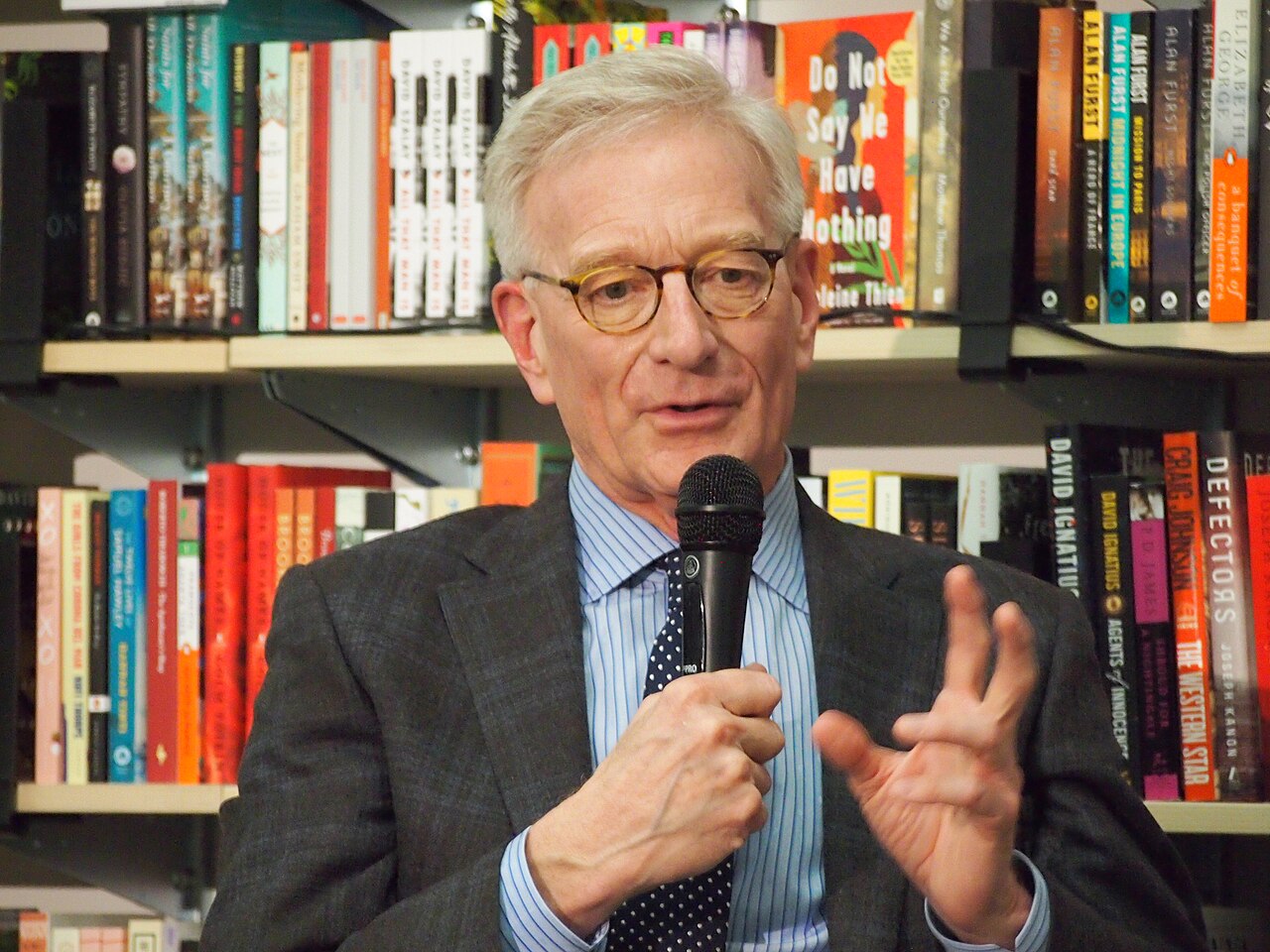
Michigan's Richest: Hank & Doug Meijer's $9.1 Billion Fortune
In the heart of Michigan, a name synonymous with retail innovation and community presence stands out: Meijer. Behind this colossal grocery and department store chain are brothers Hank and Doug Meijer, co-Chairmen and heirs to a remarkable family legacy. With a combined net worth estimated at an astounding $9.1 billion, Hank and Doug Meijer are not just titans of the retail industry but also rank among the wealthiest individuals in the state of Michigan and indeed, the nation. Their immense fortune is a testament to generations of entrepreneurial vision, strategic adaptation, and an unwavering commitment to a business model that redefined shopping for millions. This article delves into the origins of their wealth, the evolution of the Meijer empire, and the strategic decisions that cemented
From Depression-Era Store to Billion-Dollar Empire: The Meijer Story and, by extension, Hank and Doug Meijer's impressive net worth.
The Meijer Legacy: A Fortune Forged in Family Business
The story of the Meijer fortune, and consequently, Hank and Doug Meijer's net worth, begins not with billions, but with a simple dream during an economic nightmare.
From Humble Beginnings: Henrik Meijer's Vision
The foundation of the Meijer empire was laid in 1934 by Henrik Meijer, a Dutch immigrant, who opened his first grocery store in Greenville, Michigan, during the throes of the Great Depression. This was a period of immense economic hardship, making the decision to start a business a bold one, driven by necessity and an acute understanding of community needs. Henrik's vision was to offer quality goods at fair prices, a principle that would endure for decades. This initial venture, though modest, was imbued with the resilience and entrepreneurial spirit that would define the Meijer brand for generations to come. It was a testament to grit and resourcefulness, laying the groundwork for what would become one of America's most successful privately held companies.
Frederik Meijer's Era: Expansion and Innovation
Henrik's son, Frederik Meijer, began working at the first store when he was just 14 years old. His early exposure to the intricacies of the business, from stocking shelves to interacting with customers, provided him with an invaluable education. Frederik eventually took the reins and transformed the family grocery business into a massive retail empire. His most significant contribution was pioneering the "superstore" concept. In 1962, Meijer stores became the first to combine high-quality produce and grocery items with department store merchandise, operating under the "Thrifty Acres" banner. This revolutionary "one-stop shop" model anticipated consumer demand for convenience and variety, consolidating shopping trips and providing immense value. It was a game-changer in the retail landscape, allowing Meijer to outpace competitors and significantly expand its footprint across Michigan and into neighboring states. This innovation wasn't just about selling more; it was about reimagining the retail experience, a strategic move that exponentially grew the company's value and, naturally, the family's burgeoning fortune.
Hank & Doug Meijer: Stewards of a Multi-Billion-Dollar Enterprise
As the company grew into a retail giant, the time came for a new generation to take the helm, inheriting both a rich legacy and considerable challenges.
Taking the Helm: A New Generation of Leadership
In 1990, Hank and Doug Meijer, grandsons of the founder Henrik and sons of Frederik, stepped into their roles as co-Chairmen of Meijer, Inc. While their father remained actively involved in the business until his passing in 2011, Hank and Doug assumed the primary leadership responsibilities, guiding the company through an evolving market. Today, their combined net worth of $9.1 billion firmly places them among the global elite, a direct reflection of the continued success and immense scale of Meijer, Inc. Their position on prestigious lists like Forbes' World Billionaires and America's Richest is a clear indicator of the financial powerhouse they oversee. This vast wealth is not merely inherited; it represents decades of sustained growth, strategic decisions, and adapting the family business to modern retail demands.
Navigating the Competitive Landscape: The Walmart Challenge
The early 1990s brought a formidable challenge to Meijer's dominance: the rise of Walmart. With its aggressive pricing strategies and rapid expansion of supercenters, Walmart began to significantly cut into Meijer's market share. This period was a critical test for the Meijer brothers, demanding strategic foresight and decisive action. To remain competitive,
Hank & Doug Meijer Lead Grocery Giant Through Walmart Challenge through a comprehensive restructuring effort that began in the early 2000s. This involved changing the company's image, reevaluating its operational strategies, shuffling employees, and making difficult decisions, including layoffs, to streamline operations and enhance efficiency. Their ability to weather this competitive storm, adapting their business model without sacrificing the core values of quality and customer service, speaks volumes about their leadership. Currently, Meijer operates approximately 190 stores across five states (Michigan, Ohio, Indiana, Illinois, Kentucky, and Wisconsin), with the highest concentration remaining in its home state of Michigan, where it continues to be a dominant force.
Beyond the Aisles: The Business Model and Future Outlook
The enduring success of Meijer and the immense net worth of Hank and Doug Meijer are rooted in more than just history; they are built upon a robust business model and continuous adaptation.
The Meijer Supercenter Advantage
Meijer's pioneering supercenter model continues to be a cornerstone of its operations. The convenience of a "one-stop shop" where customers can purchase groceries, clothing, electronics, home goods, and more under one roof remains a powerful draw. This integrated retail experience maximizes customer spend per visit and fosters loyalty. However, the Meijer brothers haven't rested on past successes. They have continued to innovate, notably by investing in smaller, more upscale grocery stores under the "Meijer Marketplace" name. This strategic diversification allows them to cater to different market segments, including urban areas or communities desiring a more curated grocery experience, while simultaneously maintaining their successful large-format stores. This dual approach demonstrates an understanding of modern consumer trends and a willingness to evolve beyond the traditional superstore.
Key Factors Contributing to Hank & Doug Meijer's Net Worth
The staggering $9.1 billion net worth of Hank and Doug Meijer is the culmination of several critical factors:
* **Private Ownership:** Meijer, Inc. remains a privately held company. This structure allows the family to maintain complete control, make long-term strategic decisions without the pressures of public quarterly earnings, and retain all profits within the family, significantly contributing to the
Meijer's journey from a Depression-era store to a billion-dollar empire and the Meijer brothers' net worth.
* **Scale of Operations:** With revenues reaching around $15 billion annually (as of 2012) and nearly 200 stores, the sheer volume of business generates substantial profits and asset value.
* **Real Estate Holdings:** As a major retail chain, Meijer owns significant real estate, including store locations, distribution centers, and corporate facilities, which contribute immensely to the company's overall valuation.
* **Brand Value and Customer Loyalty:** Decades of consistent quality, competitive pricing, and community engagement have built a powerful brand with strong customer loyalty, translating into consistent revenue streams.
* **Strategic Adaptability:** The company's willingness to innovate (supercenters, Meijer Marketplace) and restructure in response to competition (like Walmart) has ensured its long-term viability and growth.
Practical Insights: Lessons from the Meijer Dynasty
The Meijer story offers valuable lessons for entrepreneurs, family businesses, and even major corporations.
For Aspiring Entrepreneurs and Family Businesses
1. **Embrace Innovation:** Frederik Meijer's pioneering of the superstore model wasn't just a convenience; it was a radical rethinking of retail. Continuously look for ways to differentiate and add value to your customers.
2. **Adaptability is Non-Negotiable:** The "Walmart Challenge" forced Meijer to restructure and evolve. Businesses must be agile enough to respond to market shifts, competitive threats, and changing consumer preferences. Stagnation is a recipe for decline.
3. **Build a Strong Foundation:** Henrik Meijer's focus on quality and fair prices laid the groundwork. Strong core values and a commitment to customer service are timeless principles that foster loyalty and trust.
4. **Long-Term Vision:** The Meijer family has maintained private ownership, allowing them to make decisions with a multi-generational perspective rather than short-term gains. This long-term thinking is crucial for sustainable growth and wealth accumulation.
5. **Community Connection:** Meijer stores are often integral parts of their communities. Engaging with and supporting local areas can build brand affinity that transcends mere transactions.
The Meijer legacy is a powerful example of how sustained vision, adaptability, and a deep understanding of customer needs can transform a humble beginning into an astounding success story.
Conclusion
The $9.1 billion net worth of Hank and Doug Meijer is more than just a figure; it represents the culmination of nearly a century of relentless innovation, strategic leadership, and unwavering dedication to a family business. From Henrik Meijer's bold venture during the Great Depression to Frederik Meijer's pioneering superstore concept, and now under the stewardship of Hank and Doug, Meijer, Inc. has navigated economic shifts and intense competition to remain a dominant force in retail. As co-Chairmen, Hank and Doug Meijer continue to guide this multi-billion-dollar enterprise, ensuring its legacy endures while adapting to future challenges and opportunities. Their immense fortune underscores not only their personal success but also the profound economic impact of Meijer, Inc. on Michigan and the broader Midwest, solidifying their place among the nation's wealthiest and most influential business leaders.